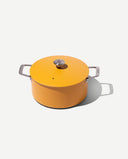
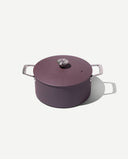
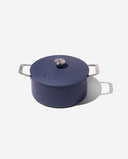
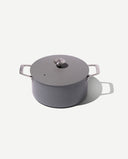
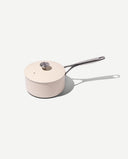
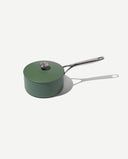
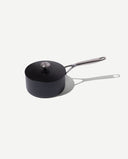
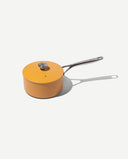
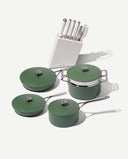
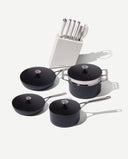
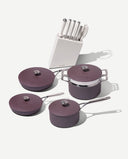
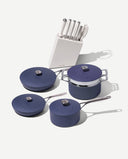
Thoughtfully Designed in Canada

How to Keep Your Ceramic Cookware Performing Like New
Ceramic cookware is loved for its smooth, naturally non-stick cooking surface and easy cleanup. But like any well-used kitchen essential, it performs best when it’s cared for properly.
If you’ve noticed food starting to stick, residue building up, or your ceramic pan not feeling quite as slick as it once did, don’t panic. In many cases, a few simple maintenance habits can help restore performance and keep your pan cooking beautifully for longer.

Why Ceramic Pans Can Start to Stick
Ceramic pans don’t lose their non-stick feel overnight. More often, sticking is caused by residue buildup, high heat, cooking sprays, or cleaning habits that wear down the surface over time. The good news? Most of these are easy to prevent and often easy to fix.
1. Residue Build-Up Can Affect Performance
Even when your pan looks clean, oils and food particles can leave behind a thin layer of residue. Over time, that buildup can make the cooking surface feel sticky or less smooth.
You may notice:
- Food sticking in certain spots
- Discolouration on the cooking surface
- A slightly rough or tacky feeling when the pan is dry
How to Fix It:
Fill your pan with warm water and a small amount of dish soap. Let it soak for 20 to 30 minutes, then gently clean with a soft sponge or cloth.
For tougher buildup, make a paste using baking soda and water. Gently rub the surface, rinse thoroughly, and dry completely before storing.
2. Low to Medium Heat Works Best
Ceramic cookware heats efficiently, which means you usually don’t need high heat for everyday cooking. In fact, regularly cooking on high heat can cause food and oil residue to bond to the surface, making the pan harder to clean over time.
For best results, use low to medium heat whenever possible and allow your pan to warm gradually before adding ingredients.
3. Skip the Cooking Spray
Aerosol cooking sprays may seem convenient, but they can leave behind a stubborn film that’s difficult to remove with regular washing. This can affect the smooth feel of your ceramic pan and make food more likely to stick.
Instead, use a small amount of butter, olive oil, avocado oil, or another cooking oil applied directly to the pan.
4. Use Gentle Cleaning Tools
Ceramic cookware is designed for everyday use, but abrasive scrubbers can wear down the cooking surface over time. Avoid steel wool, harsh scouring pads, and abrasive cleaners.
After cooking, allow the pan to cool fully before washing. Then clean with warm water, mild dish soap, and a soft sponge or cloth.
Avoid placing a hot pan directly under cold water, as sudden temperature changes can stress the cooking surface.
How to Deep Clean a Ceramic Pan
If your ceramic pan needs a refresh, try this simple deep-cleaning method:
- Fill the pan with water.
- Add two tablespoons of baking soda.
- Bring to a gentle simmer for about 10 minutes.
- Allow the pan to cool completely.
- Wash with mild dish soap and a soft sponge.
- Rinse and dry thoroughly.
This can help lift stubborn residue that regular washing may leave behind.
How to Keep Your Ceramic Pan Non-Stick Longer
A few small habits can make a big difference in how your ceramic cookware performs over time:
- Cook on low to medium heat
- Avoid aerosol cooking sprays
- Use silicone, wood, or nylon utensils
- Clean gently after each use
- Deep clean periodically to remove residue buildup
- Dry fully before storing

Final Thoughts
Keeping your ceramic pan in great shape doesn’t have to be complicated. By cooking with the right heat, avoiding cooking sprays, and cleaning gently, you can help maintain that smooth non-stick feel and make cleanup easier after every meal.
A little care goes a long way and your future self will thank you the next time dinner wipes clean in seconds.